








• PO Box 50145 Doha, Qatar
  • info@effy.qa
  • Office Hours: 8:00 AM – 7:45 PM
Clickable Phone Number Button

Fleet Management in Qatar

Please enable JavaScript in your browser to complete this form.

Fleet management is becoming increasingly important for businesses in Qatar, especially in industries like logistics, oil & gas, construction, and transportation, but it’s also crucial for other sectors such as healthcare, retail, utilities, etc. As the country’s economy grows, there is a rising need for transportation and logistics solutions, making the fleet management crucial. Effective fleet management helps companies monitor, maintain, and optimize their vehicles, ensuring they operate smoothly and contribute positively to the business’s bottom line.

How Fleet Management Helps Businesses?

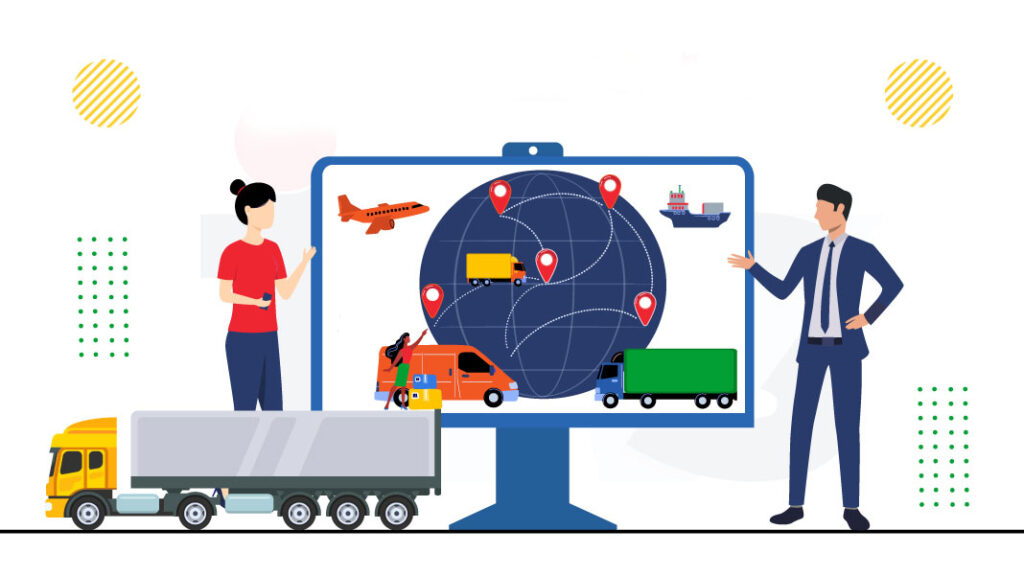
Fleet management involves overseeing a company’s vehicles to ensure they are used efficiently, safely and cost-effectively. In Qatar, where the infrastructure is constantly developing, businesses face challenges like traffic congestion, supply chain disruptions, security risks and high operational costs. Fleet management helps companies address these issues by using modern technologies such as GPS tracking and vehicle monitoring to keep track of their fleets in real-time and make smart decisions that improve productivity and save money. Fleet management services help businesses in Qatar by providing real-time data on vehicle performance, fuel consumption, driver behavior, and route optimization. This data is crucial for making informed decisions that can lead to significant cost savings and improved efficiency.

Choosing The Right Fleet Management in Qatar

Selecting the right fleet management in Qatar can be challenging, given the numerous companies offering similar services in the market. In Qatar, where efficient and cost-effective fleet management is essential, partnering with a provider who understands the local market and offers comprehensive solutions is key.

Effy Solutions stands out as a leading fleet management provider in Qatar, offering a range of services tailored to meet the unique needs of businesses across various industries. With advanced technology, expert support, and a deep understanding of local regulations, Effy Solutions ensures that your fleet operates smoothly and efficiently.

Why Choose Effy Solutions?

Local Expertise

In-depth knowledge of Qatar’s market and regulatory environment.

Comprehensive Services

End-to-end solutions from vehicle tracking to maintenance management.

Advanced Technology

Cutting-edge tools and systems for real-time monitoring and analytics.

Customer Support

Dedicated support team to address your needs and provide personalized solutions.

Key Components of Fleet Management

Fleet management offers a wide range of services designed to optimize the performance and longevity of a company’s vehicles. Here’s how fleet management helps

Driver Management

Drivers are on the front lines, directly impacting not just the safety of the fleet but also the reputation of your business. Monitoring drivers’ behavior is crucial to preventing accidents, ensuring the safety of both the driver and the vehicle. By tracking metrics such as speed, braking patterns, and adherence to traffic laws, fleet management systems can identify risky behaviors and provide feedback or training to improve performance. Fleet management improves driver behavior by monitoring performance metrics, providing feedback, and offering targeted training to enhance safety and efficiency.

Regulatory Compliance

Regulatory compliance in fleet management ensures that all vehicles and operations adhere to local laws and regulations. This includes maintaining up-to-date vehicle registrations, insurance, and driver licenses. Compliance also involves adhering to safety standards, emission regulations, and industry-specific requirements. Effective fleet management systems help track compliance deadlines, manage documentation, and ensure that all legal obligations are met. By staying compliant, businesses avoid fines, legal issues, and operational disruptions, while fostering a reputation for reliability and professionalism.

Fleet Analytics & Reporting

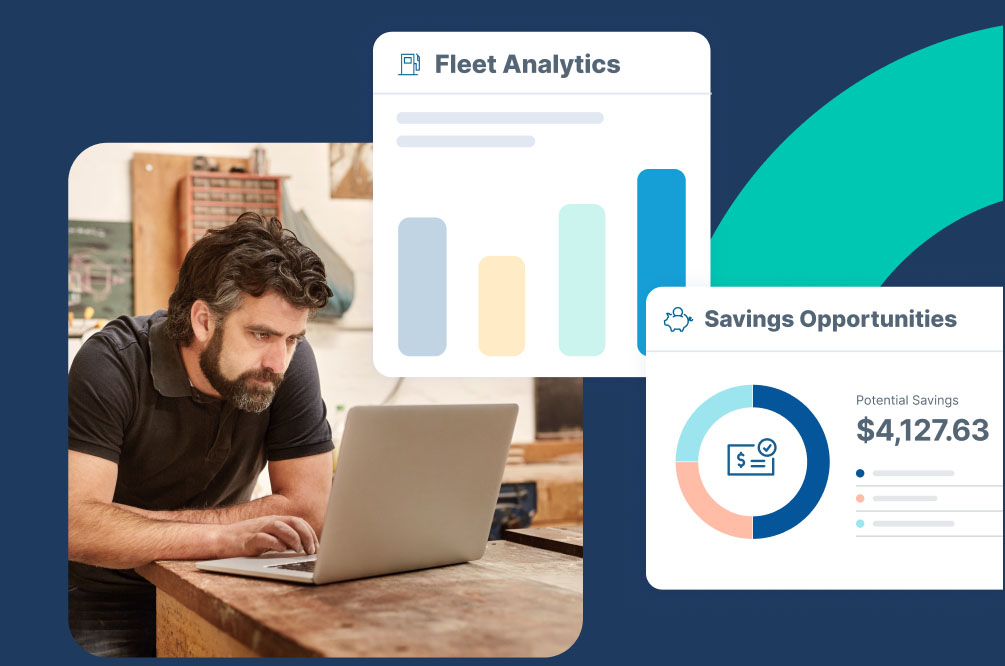
Fleet analytics and reporting involve collecting and analyzing data from various fleet operations to make informed decisions. This includes examining metrics such as fuel consumption, maintenance costs, and driver performance. Advanced analytics provide insights into trends, identify areas for improvement, and help optimize fleet operations. Regular reporting helps businesses monitor performance, track key performance indicators (KPIs), and make data-driven decisions to enhance efficiency and reduce costs.

Asset Tracking and Telematics

Asset tracking and telematics involve using GPS and other technologies to monitor and manage fleet assets in real-time. Telematics systems provide data on vehicle location, speed, and engine performance, helping businesses track assets efficiently and optimize routes. This technology enhances operational visibility, improves security by preventing theft, and facilitates timely maintenance by providing insights into vehicle conditions.

Vehicle Maintenance and Repair

Fleet management ensures that every vehicle operates efficiently, remains reliable, and has a longer lifespan. Implementing a routine maintenance schedule helps address potential issues before they become major problems. This includes regular checks on oil levels, tire conditions, brakes, and other vital components.

Fuel Management

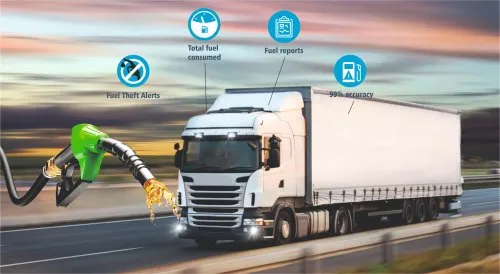
Fuel management is a crucial aspect of fleet management, focusing on optimizing fuel usage to reduce costs and enhance efficiency. It involves tracking fuel consumption, monitoring refueling patterns, and analyzing fuel-related data to identify inefficiencies. With the help of fleet management companies can implement fuel management strategies, such as route optimization and can lower fuel expenses which minimize the overall operational cost.